For much of the past decade, Syria’s relationship with the outside world was dominated by war, sanctions and isolation.
In Dubai this week, President Ahmed al-Sharaa described the country he believes can emerge from them.
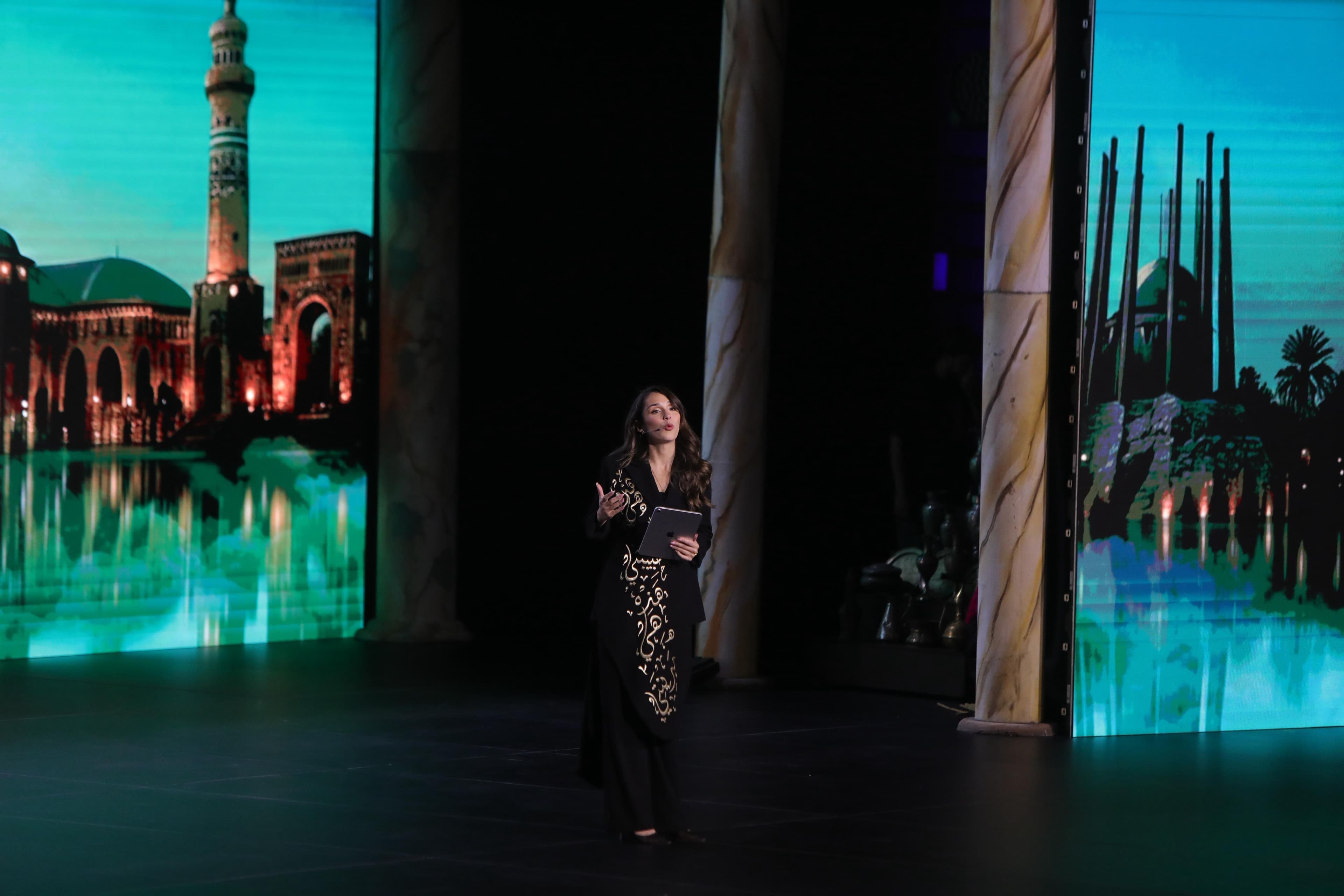
Speaking at the Arab Media Summit in a session titled “Syria of the Future”, al-Sharaa set out a vision built around a freer economy, private investment, agriculture, trade and Syria’s return to a larger regional role.
His ambitions are substantial.
Al-Sharaa said Syria’s economy, which he put at roughly $20 billion before the new administration took power, reached $32 billion in 2025 and could grow to around $50 billion in 2027. If stability holds, he suggested it could reach $200 billion by the end of the next decade.
Those figures are projections, but they give a sense of the scale of the transformation he has in mind.
Central to it is Syria’s transition towards a freer market and a larger role for private enterprise. Al-Sharaa acknowledged that some of the decisions involved would require patience before their benefits became apparent.
Sanctions formed another part of the argument. Al-Sharaa described their lifting as Syria being “born again”, presenting the change as the removal of constraints that had held back investment and development.
Reconnecting with international finance, attracting foreign capital and restoring ordinary commercial relationships give Syria possibilities that years of restrictions had sharply constrained.
Al-Sharaa also placed considerable weight on assets Syria already possesses.
Agriculture was one. He argued that Syria could become an important contributor to regional food security, estimating that its agricultural capacity could produce food for 70 to 75 million people, rising above 100 million with modern technology.
Geography was another.
Syria sits between the Mediterranean, Türkiye, Iraq, Jordan and Lebanon, giving it a natural position between regional markets. Al-Sharaa’s vision is to turn a geography long discussed in terms of conflict back towards commerce.
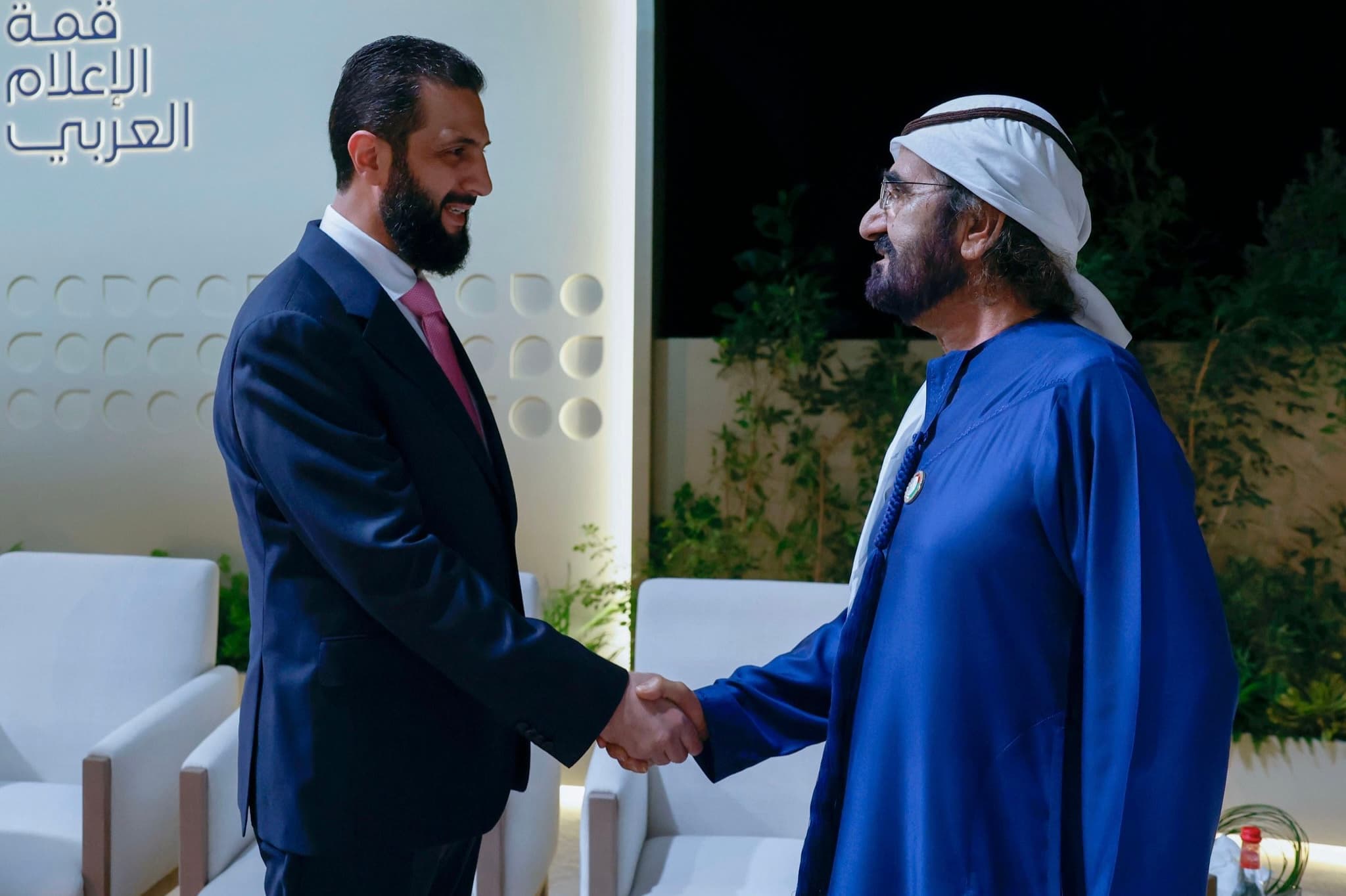
The UAE is already part of that picture. During the summit, al-Sharaa met Sheikh Mohammed bin Rashid Al Maktoum, the UAE vice president and ruler of Dubai, with both sides emphasising economic cooperation, development and closer bilateral ties.
Realising that ambition will depend on investment becoming productive businesses, agricultural potential becoming competitive output, and Syria continuing to rebuild the infrastructure and stability on which regional trade depends.
But the direction al-Sharaa described in Dubai was clear.
Syria’s geography was long discussed largely in the language of conflict: borders, armies, supply routes and spheres of influence.
Al-Sharaa is proposing a different vocabulary.
Ports. Markets. Investment. Agriculture. Trade.
His vision for Syria’s future begins with turning its place on the map back into an economic advantage.