There are few activities in modern life less deserving of attention than paying a bill by card. You tap, wait for approval, collect the receipt and get on with your day.
Unless, that is, you are in Syria.
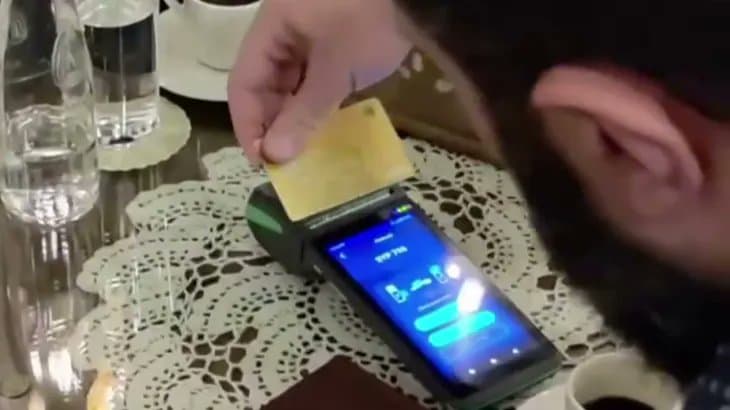
This week, President Ahmed al-Sharaa made a Visa payment at a restaurant in Damascus’s Old City. Visa said it was the first live international Visa transaction tested in the country. An everyday transaction that would normally pass unnoticed had become news.
The significance lies not in what al-Sharaa bought or how much he spent, but in what had to happen behind the scenes for the payment to work.
For years, sanctions and financial isolation left Syria largely disconnected from international banking and payment networks. Even after Washington dismantled its broader sanctions programme, Syria’s designation as a State Sponsor of Terrorism remained a source of legal and compliance risk for foreign banks considering business with the country.
That changed on 24 August, when the United States formally removed Syria from the list, ending a designation imposed in 1979. Targeted measures remain against Bashar al-Assad and his associates, rights abusers, drug traffickers, designated terrorist organisations and Iranian proxies, but the delisting removed a significant impediment to Syria’s financial normalisation.
Behind a card transaction lasting only seconds sits a chain of institutions and technology. The merchant, payments provider, acquiring bank, card network and issuing institution all play a role in authorising and ultimately settling the payment.
In al-Sharaa’s case, Visa worked with Lebanon-based Fransabank as the acquiring financial institution and Syrian payments company Paymera to carry out the transaction.
The Visa transaction was not an isolated development. QNB Group and Mastercard also completed an international card payment in Syria, with eligible merchants including hotels, restaurants and government entities able to accept international Mastercard credit cards through QNB point-of-sale terminals as the service is rolled out. Mastercard said the transaction followed the technical reconnection of Syria’s payments ecosystem to its global network.
For consumers and visitors, the immediate consequence is straightforward: international cards can begin to work in a country where cash has long dominated.
International card acceptance is only one part of a functioning financial system. It does not finance reconstruction or give Syrian businesses full access to global banking. But it demonstrates something more basic: foreign financial institutions and international payment networks are again establishing channels through which transactions involving Syria can take place.
That matters because reconstruction requires more than investment announcements. It requires money to move.
Foreign companies need ways to pay local partners and employees. Syrian businesses need to transact with suppliers and customers abroad. Investors need channels through which capital can enter the country and, eventually, through which returns can be repatriated. International visitors and business travellers need ordinary ways to spend money once they arrive.
An economy seeking international investment cannot remain disconnected from the financial infrastructure through which international commerce operates. For Syria, rebuilding those connections is therefore part of the broader task of rebuilding an economy after nearly 14 years of war.
Foreign banks will continue to make their own assessments of compliance, counterparty and commercial risk, while rebuilding confidence in Syria’s financial system will depend on far more than the availability of international cards.
Financial normalisation is ultimately measured by what becomes ordinary: banks establishing relationships, businesses moving money across borders, investors financing projects and international payments taking place without attracting attention.
Al-Sharaa’s transaction mattered not because it was large, but because it worked.
For Syria, perhaps the clearest sign of progress will come when someone in a Damascus restaurant asks “cash or card?” and nobody finds the question remarkable.
Ways to read this article:
Sign up to keep reading
Sign up to our newsletter to get full access to all our articles.