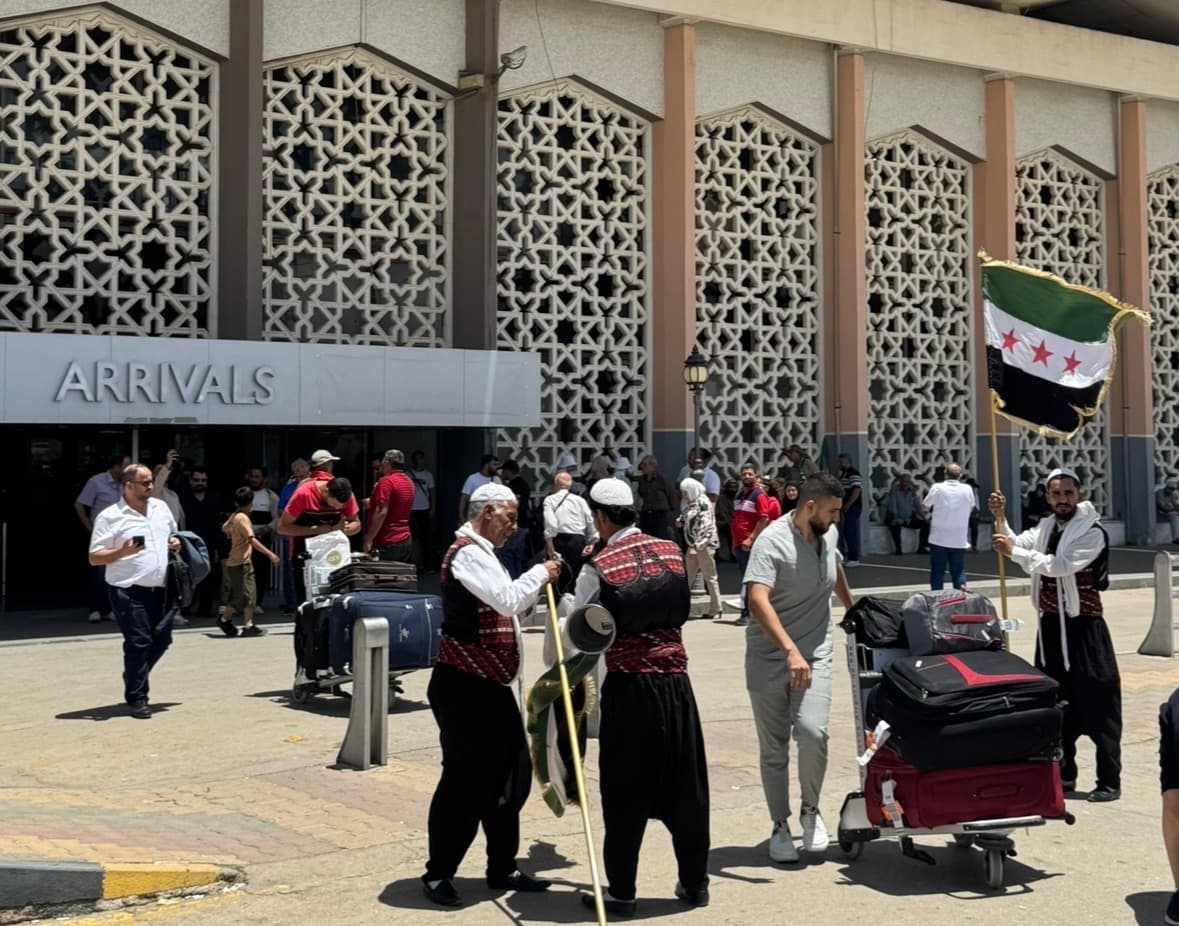
For many Syrians who fled during the civil war, Bashar al-Assad’s government was both a reason for leaving and a reason they could not return. His fall in December 2024 opened the possibility of going home for people who had spent years in exile. Since then, Syrians have returned from neighbouring countries and further afield, while others have travelled back to inspect homes, look for work and consider whether to settle again.
More than three million Syrians had returned from abroad or internal displacement by August, according to UNHCR, even as nearly four million refugees remained in neighbouring countries.
But going back after a decade or more is not the reverse of leaving.
Syria has emerged from nearly 14 years of civil war with enormous reconstruction needs. The World Bank estimates that almost a third of the country’s pre-conflict capital stock was damaged, with direct physical damage of about $108 billion and reconstruction costs estimated at roughly twice that amount.
For returning families, those figures translate into smaller and more immediate concerns. A house may be damaged, occupied or expensive to repair. Electricity and water may be unreliable, healthcare difficult to access and available work insufficient to support a household.
Access to a family home can make resettlement considerably more affordable, yet years of absence have left some Syrians dealing with lost ownership records, changed occupancy or repairs beyond what they can afford. Recovering a house can therefore involve legal and financial questions as well as physical reconstruction.
Other consequences of a long absence are less visible. Children may have been born abroad, marriages registered elsewhere and identity documents allowed to expire. Families returning with records issued in other countries may need them recognised in Syria. Authorities have taken steps to facilitate civil registration and document authentication, with international organisations also providing legal and property-related assistance.
Employment is likely to weigh even more heavily on long-term decisions. Syria’s economic outlook has begun to improve as sanctions have been eased, international engagement has expanded and the government seeks foreign investment. The World Bank expects economic activity to strengthen modestly, but rebuilding an economy damaged by years of war will take time, particularly in communities where jobs and household incomes remain under pressure.
That gap between political change and everyday recovery helps explain why return may happen gradually. A family can want to go home without being ready to give up a salary, business or other source of security abroad. Some may maintain work, property or financial ties in more than one country while establishing themselves again in Syria.
For families with children, the decision has another dimension. A generation of Syrians has grown up in Turkey, Lebanon, Jordan, Europe and elsewhere, often educated in different languages and school systems. Some were born abroad and have never lived in Syria.
For their parents, the journey may be a return home. For some of their children, it is a move to a country they know largely through family.
The adults who left have changed too. Students have become professionals; workers have established businesses; families have acquired new languages, qualifications and connections. Some have citizenship or permanent status elsewhere, while careers and commercial relationships may now extend across several countries.
Those experiences could also become part of Syria’s reconstruction. The Syrian diaspora now encompasses professional, financial and commercial networks across Turkey, the Gulf, Europe, North America and elsewhere. People who return can bring experience, capital and business relationships with them, while those who remain abroad can still invest, trade, support businesses or contribute expertise.
Return and reconstruction can therefore reinforce one another. Better infrastructure, services and employment make it easier for families to come back, while returning Syrians can repair homes, reopen businesses, create jobs and reconnect communities with networks developed abroad.
The wartime exodus is unlikely simply to run in reverse. Some Syrians will return permanently; others will retain connections abroad or contribute to Syria’s recovery without relocating.
The country to which Syrians are returning is not the one they left. Nor are many of those returning the people they were when they left it.
For those still considering the journey, the decision will depend not only on what Syria becomes, but on how the lives they built elsewhere can fit into it.
Ways to read this article:
Sign up to keep reading
Sign up to our newsletter to get full access to all our articles.