For years, Syrian women did something both simple and extraordinarily difficult: they asked where their relatives had gone.
They waited outside prisons and security branches. They carried photographs, repeated names, followed rumours and sought information from officials who often provided none. Many did not know whether the person they were looking for was imprisoned, dead or still alive. Sometimes even asking was dangerous.
On Monday, those questions arrived at the United Nations by a route that would once have seemed improbable. They were brought there by Syria itself.
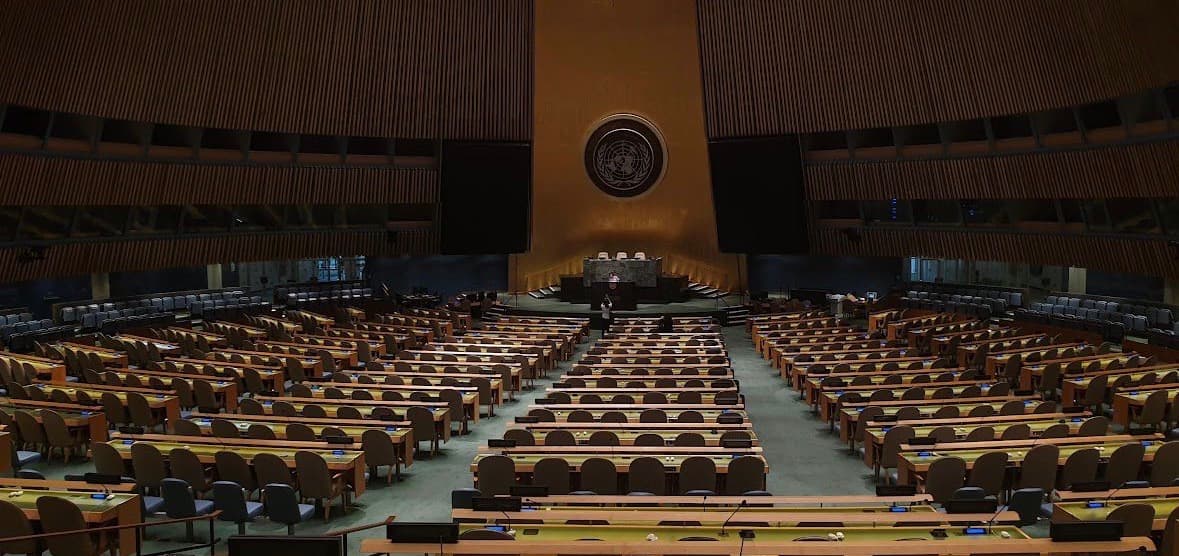
The UN General Assembly adopted by consensus a Syrian-led resolution designating 19 December as an international day recognising women who search for missing persons. It is the first resolution Syria has presented to the General Assembly since the fall of Bashar al-Assad.
It calls on UN member states and other actors to mark the day through activities highlighting the efforts of women searching for missing people and the consequences they have faced. It also urges measures to prevent discrimination and violence against them, protect their human rights and include them in decisions concerning the issue.
Syria’s Permanent Representative to the UN, Ibrahim Olabi, said Syrian women had confronted what he described as the worst catastrophe of missing persons in modern history. He then turned to how the issue itself had reached the General Assembly.
In the past, Olabi said, the question of Syria’s missing reached the chamber despite Damascus. This time, it came from Damascus itself.
Under Assad, enforced disappearance became synonymous with the machinery of repression. Families could spend years trying to establish whether relatives had been detained, transferred, killed or remained alive. Nor were all of Syria’s missing disappeared by the state. People also vanished through abduction, armed conflict, displacement and the actions of different parties during more than a decade of war.
The fall of the old government changed the political circumstances in which that search takes place. It did not, by itself, answer the questions.
The initiative adopted in New York was developed by Syria’s National Commission for Missing Persons and the Ministry of Foreign Affairs, with families of the missing contributing through consultations. Its adoption by consensus extended the initiative beyond Syria, recognising women undertaking similar searches around the world.
A resolution cannot open an archive. It cannot identify a body or establish what happened inside a prison years ago. It cannot determine the fate of someone who disappeared.
Finding Syria’s missing, and giving families answers, will require years of work. The UN’s Independent Institution on Missing Persons in Syria, established in 2023, is also tasked with clarifying their fate and whereabouts and supporting their families.
The vote offers recognition, not resolution. But for women who spent years searching without answers, being acknowledged in this way is not without meaning.
For many families, the search continues.
Ways to read this article:
Sign up to keep reading
Sign up to our newsletter to get full access to all our articles.