Visa and Mastercard have carried out their first international card transactions in Syria, beginning the country’s reconnection to global payment networks days after Washington removed it from the list of state sponsors of terrorism.
The two payment groups completed separate transactions on Wednesday through arrangements involving Syrian and regional financial institutions.
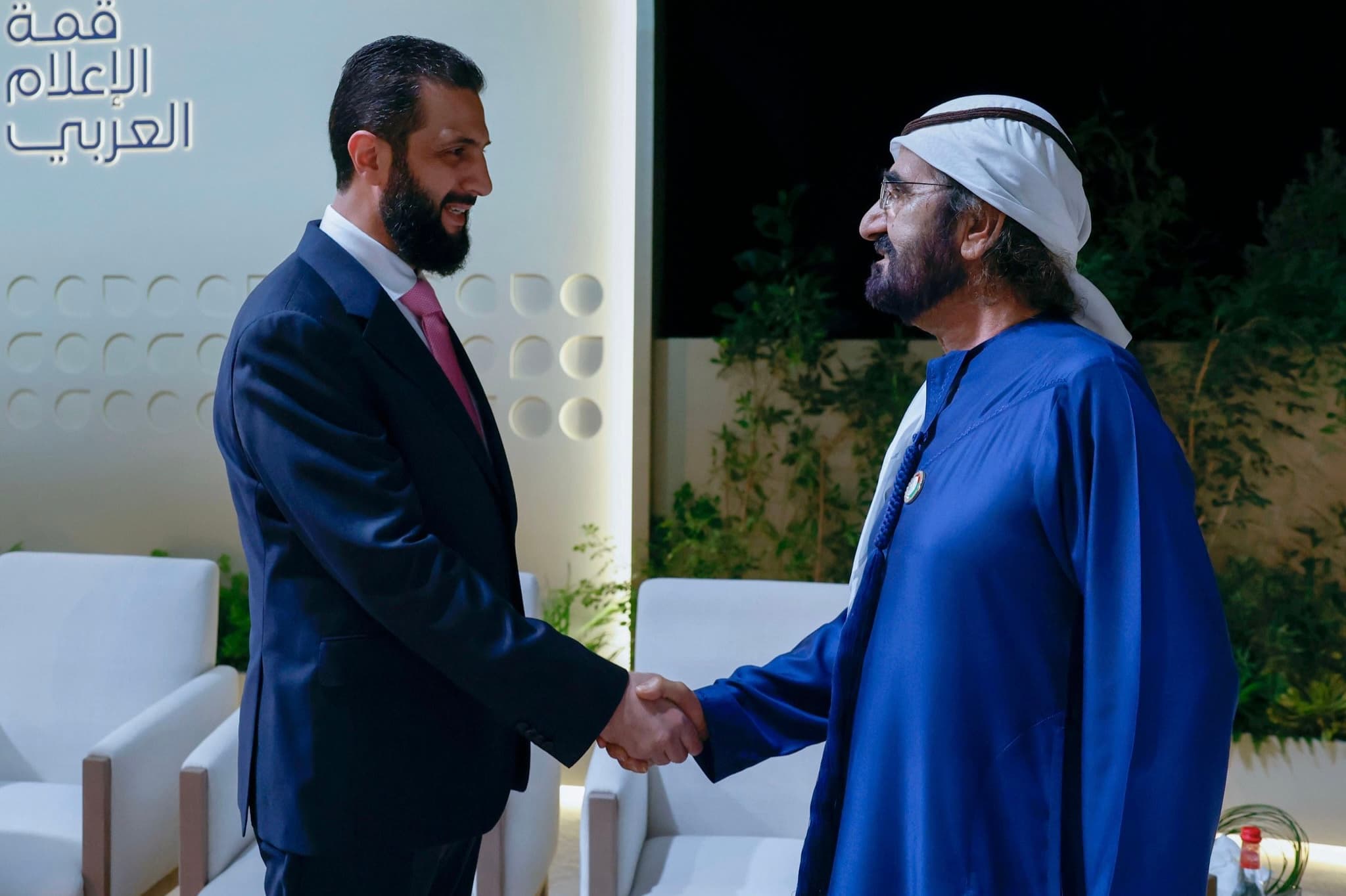
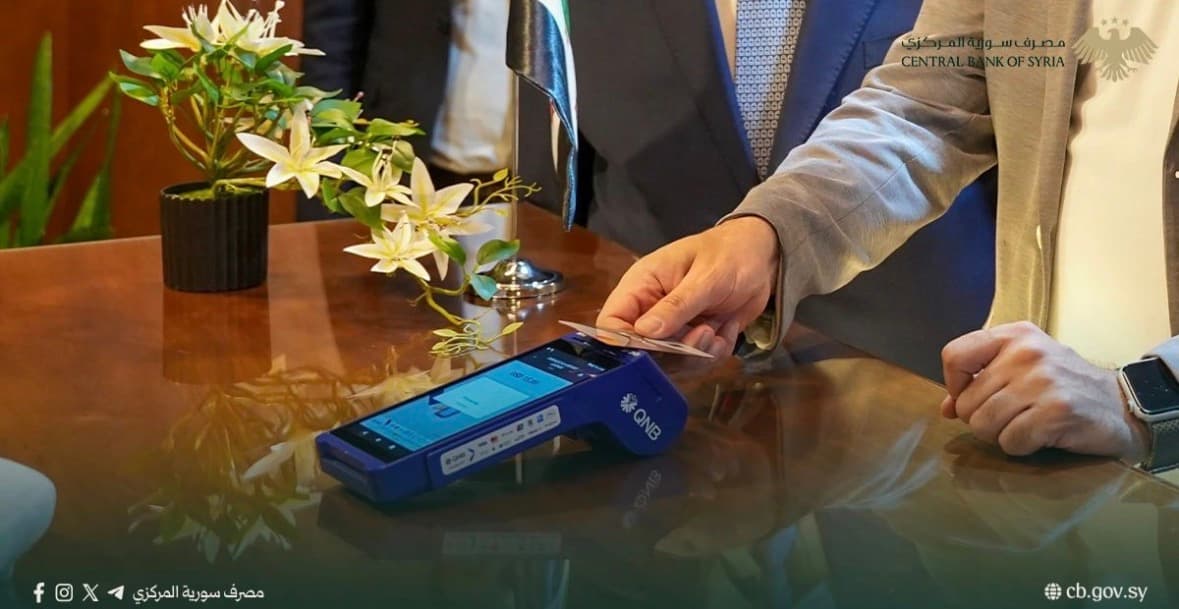
Visa conducted its first live international transaction with Lebanon-based Fransabank and Paymera, a Syrian payments company owned by the country’s sovereign fund. President Ahmed al-Sharaa took part in the test, making a card payment at a restaurant in Damascus’s Old City alongside Central Bank Governor Mohammed Safwat Raslan.
QNB Group separately said it and Mastercard had completed an end-to-end international card payment. The system will allow Syrian merchants, including hotels, restaurants and government entities, to accept international Mastercard credit cards through QNB point-of-sale terminals.
Eligible merchants will be added gradually as part of a phased rollout, subject to regulatory approval.
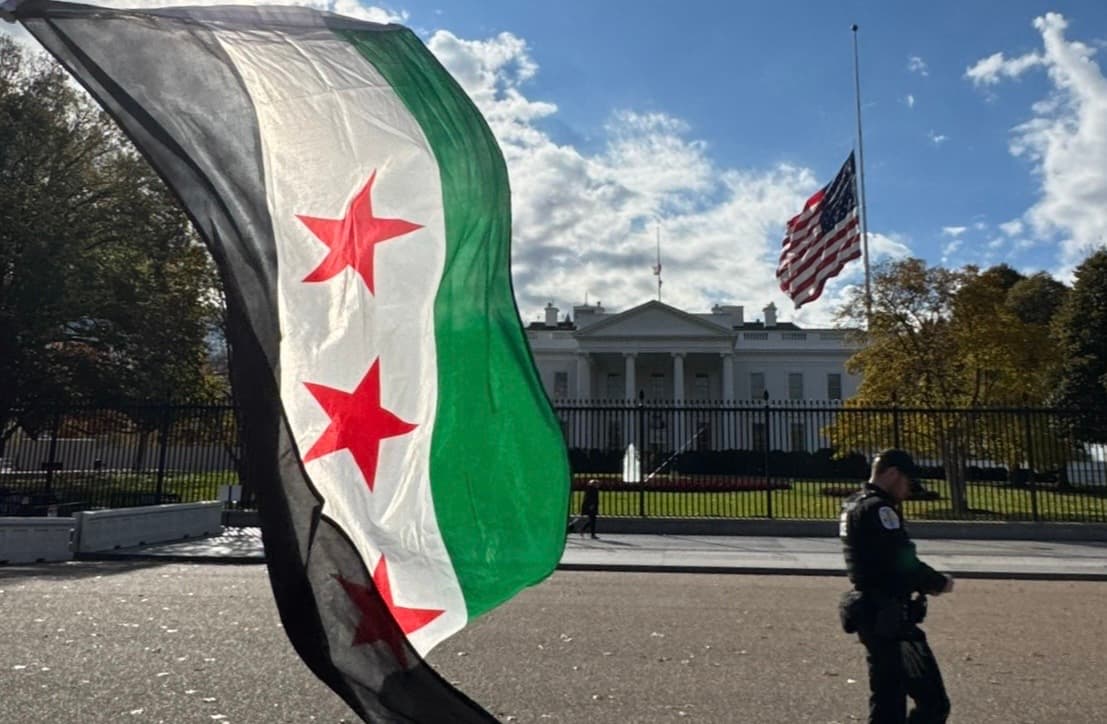
The transactions came two days after the United States formally removed Syria from its list of state sponsors of terrorism, ending a designation in place since 1979.
Washington had already dismantled its broader sanctions programme while retaining targeted measures against Bashar al-Assad and his associates, human rights abusers, drug traffickers, Islamic State and al-Qaeda affiliates and Iranian proxies. The terrorism designation had nevertheless remained a source of legal and compliance risk for financial institutions considering business involving Syria.
Foreign Minister Asaad al-Shaibani described it before its removal as the “last obstacle” to reconnecting Syria with the international financial and economic system.
“There is no longer any obstacle to investment, doing business and rebuilding economic life in Syria,” he told Reuters ahead of the decision.
The involvement of QNB and Fransabank is significant alongside that of Visa and Mastercard. International card payments depend on acquiring banks and payment processors willing to handle transactions involving Syrian merchants, not simply a decision by the card networks to operate in the country.
Visa said it plans to enable international visitors to use their cards in Syria, while QNB said Mastercard acceptance would be extended gradually across eligible merchants. Hotels, restaurants and other businesses serving foreign visitors are likely to be among the most immediate beneficiaries.
The development does not amount to a broader restoration of Syria’s access to international finance. Correspondent banking, trade finance, corporate lending and cross-border investment depend on separate relationships and risk decisions by financial institutions, while targeted US sanctions remain in force.
The transactions nevertheless show regional banks and global payment networks beginning to commit infrastructure to the Syrian market rather than merely exploring its potential.
Restoring access to international finance has become a central economic objective of al-Sharaa’s government as Syria seeks foreign capital and greater commercial links after nearly 14 years of civil war.
The first Visa and Mastercard transactions are modest in scale. Their significance lies in what they demonstrate: for the first time in years, an international card payment involving a Syrian merchant can move through the institutions required to complete it.
Ways to read this article:
Sign up to keep reading
Sign up to our newsletter to get full access to all our articles.